
Government &
Public Infrastructure
Maintaining public buildings to the standard constituents deserve — without closing access or disrupting the people who depend on them.
Courthouses, civic centers, transit facilities, and public institutions carry a different kind of weight. They represent the community. Public access is always on, budgets are scrutinized, and traditional exterior cleaning methods create exactly the kind of disruption that elected officials and facilities managers can't afford. DRIP delivers comprehensive exterior maintenance with no road closures, no ADA conflicts, and no interruption to public operations.
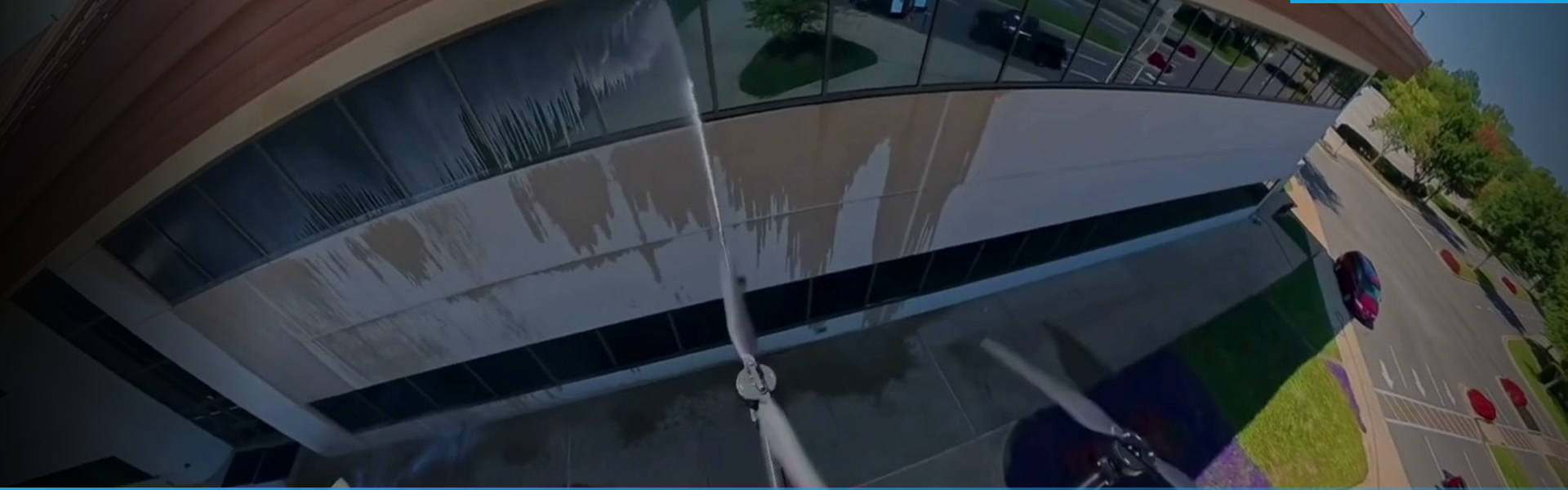
Government and public infrastructure buildings face a paradox: they represent the community and should reflect institutional pride, but the logistical requirements of traditional exterior cleaning make maintenance politically and operationally difficult to execute. Scaffolding requires permits, encumbers public sidewalks, and generates public complaints. Lane closures need coordination with traffic management. And any disruption to a public entrance becomes a constituent service issue.
The result is predictable — exterior maintenance on public buildings gets deferred through budget cycle after budget cycle. Grime, biological growth, and weathering accumulate on facades that taxpayers see every day. Historic stone and masonry that would benefit from periodic cleaning instead deteriorates from years of neglect, creating restoration costs that dwarf what preventive maintenance would have required.
DRIP was built for exactly this kind of constrained environment. No permits for sidewalk encroachment. No lane closures. No ADA conflicts. We work after hours, on weekends, or during low-traffic windows — and public access continues uninterrupted throughout. For facilities managers and public works directors who've wanted to address the exterior and never had a clean path to do it, DRIP changes what's possible.
- Scaffolding would require sidewalk encroachment permits and public access conflicts that create more problems than they solve.
- The building's exterior hasn't been cleaned in years — not for lack of need, but because no practical approach has been available.
- Historic or decorative facade materials require a careful, low-pressure approach that traditional pressure washing can't provide.
- The building is a visible symbol of the community — and right now, it's not reflecting the standard constituents expect.
Whether you're a facilities director, public works manager, or property officer, we'll walk through your building's constraints and put together a straightforward assessment of what DRIP can do for you.
Tap below to open your email app — we'll pre-fill Mack's address so you can send your question directly.